
We live in an era of "metric worship." The golden rule in the business world states: "What cannot be measured, cannot be managed." Based on this, we have transformed our companies into massive machines and turned ourselves into small cogs, ruled by silent gods known as Key Performance Indicators (KPIs).
No one denies the importance of goals and profitability; we are not running charities. The problem arises, however, when the Dashboard becomes the only truth. A KPI might tell you an employee was 15 minutes late, but it is completely blind to the fact that this employee was gathering the fragments of their composure in the car after a severe panic attack. A KPI tracks a drop in productivity, but it fails to detect the "silent burnout" of an employee who feels like nothing more than a number in an Excel sheet.
Ignoring the human element is not just an act of cruelty; it is a massive economic hemorrhage. Companies pay millions annually due to employee turnover and the loss of tacit knowledge through brain drain, not to mention the poor quality of decisions made by employees driven by fear rather than creativity.
The Second Job: The Hidden Bleed
In a profound and extensive study conducted by Harvard developmental psychologists Robert Kegan and Lisa Lahey, published in their seminal book "An Everyone Culture," they arrived at a shocking truth:
"In most organizations, people are doing two jobs, but they are getting paid for one."
The First Job: Your actual work (coding, management, marketing).
The Second Job: The immense psychological effort you exert daily to "protect yourself."
You go to work wearing "armor." You spend massive amounts of energy hiding your weaknesses, pretending you know everything, and trying to appear as the ideal employee to avoid judgment. This energy, wasted on a game of "hide and seek," should have been channeled into creativity, but instead, it dissolves into fear.
The Illusion of Separation: We Cannot Partition Ourselves
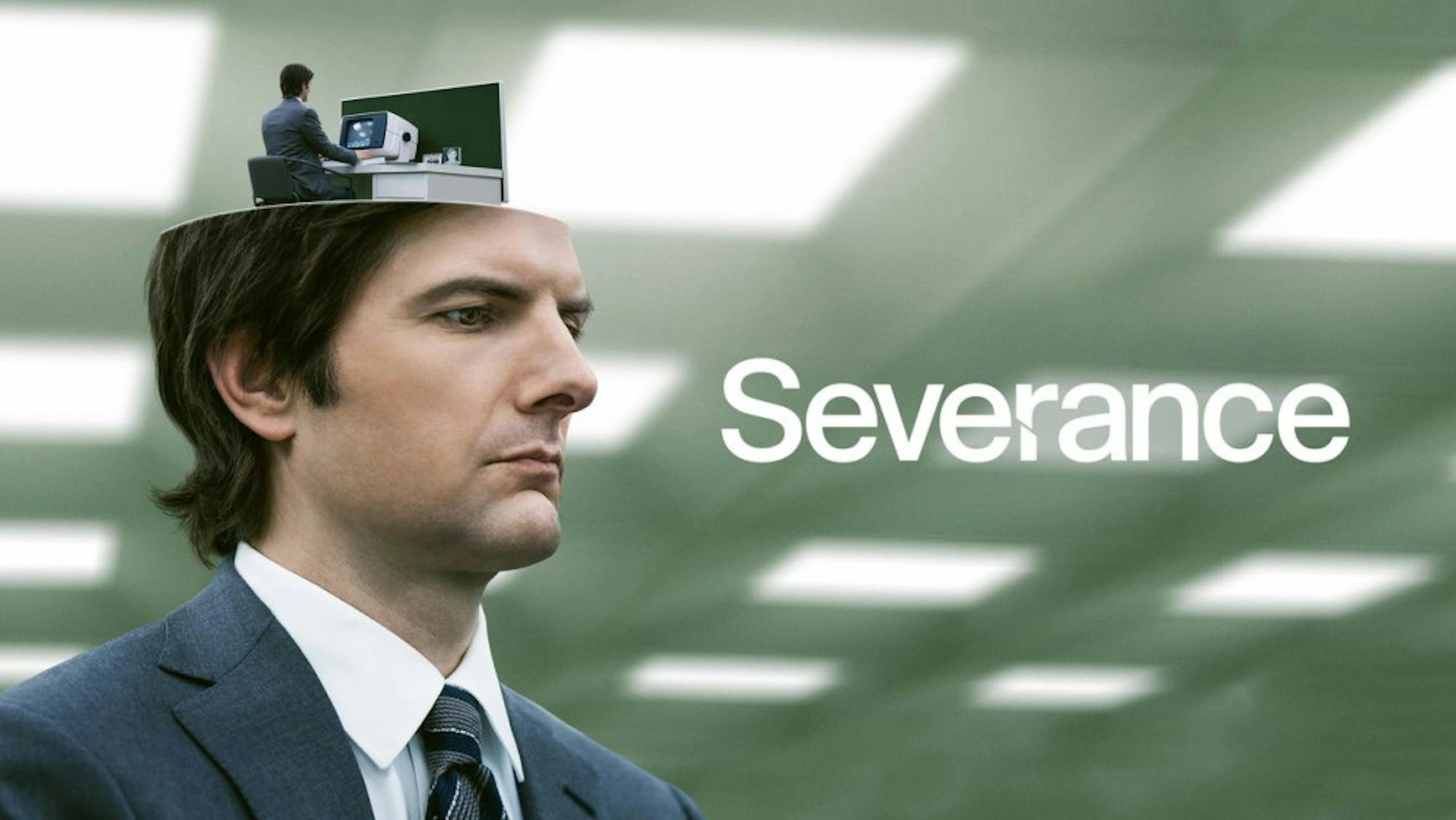
There is an old management myth that says: "Leave your problems at the door and enter as a professional." It is as if we live in the TV show Severance, where a button press can separate work memories from home memories. But reality—and biology—say otherwise: The human being is an indivisible entity.
The "psychological complex" that makes you lose your temper with your child at home is the same one that makes you snap at your subordinate. The fear of "rejection" that makes you overly agreeable with friends is the same fear that makes you say "yes" to impossible tasks at work—driven by a need for acceptance, not capacity.
The workplace is the most powerful "mirror":
Work is the environment that presses our "psychological buttons" the hardest. Authority, competition, criticism, deadlines... they all provoke the "inner child" and our old fears.
Therefore, if we design a work environment that helps us understand these feelings rather than suppress them, we don't just create a better employee; we create a better human.
The employee who heals from "sensitivity to criticism" in a meeting will return home a more understanding spouse. The manager who heals from an "obsession with control" will become a more compassionate parent.
Here, the true Win/Win equation is realized: The company gains a mature, creative leader, and the human gains their life and their self.
Is This Utopia?
This may sound romantic, but the companies that have adopted this approach—known as Deliberately Developmental Organizations (DDOs)—are economic beasts crushing their competition. Here are two examples:
1. Bridgewater Associates:
The world's largest hedge fund. They apply "Radical Transparency." They have an app called the "Dot Collector." Any employee can rate the CEO in the moment and tell him: "You were defensive today."
The goal is not to insult, but to break the Ego. They believe facing one's flaws is the only path to rapid growth.
2. Next Jump:
A tech company that realized suppressing emotions kills intelligence. They invented "Talking Partners." Every employee has a colleague they meet with regularly—not to talk about work, but to vent feelings (anxiety, fear, frustration)—so they can return to work with a clear mind.
The Solution: An Intelligent System That Asks the "Right Question"
We don't need to be as harsh as Bridgewater, but we need to adopt their philosophy. Today, with Artificial Intelligence (AI), we can build a system that acts as a "Mirror of Consciousness." It grants us a safe space to vent and asks us questions that help us see ourselves more clearly, without judgment.
Imagine a system that doesn’t just tell you that you are "late" or "done," but provokes you to reflect:
For the Manager drowning in details:
"We noticed your immersion in details spikes as the deadline approaches. A call for reflection: What is the feeling preceding this behavior? Is it a commitment to quality, or a hidden anxiety about losing control?"
For the "People Pleaser" (who can't say no):
"You’ve accepted an additional task for the third time this week despite a full schedule. What drove you to agree? Is it actual time availability, or a discomfort with saying 'no' and disappointing others?"
In cases of conflict with colleagues:
"You seem intensely triggered by your colleague's coldness. Let's pause: Why does this specific behavior provoke you? Does it touch something inside you? Or perhaps it reminds you of a trait you try to avoid in yourself?"
This isn't just "workplace therapy"; this is transforming work conflicts from "obstacles" that hinder us into "gateways" through which we pass toward self-understanding and maturity.
Conclusion: From Resources to Beings
We committed a linguistic and administrative sin when we named the department concerned with people "Human Resources."
Resources (like oil and money) are consumed and depleted. But humans are "Beings." A living being grows, evolves, and blooms if placed in the right soil.
The companies that will dominate the future are those that realize their true investment is in the "consciousness" of their employees.
It is time to build work systems where we go to become the best, most mature versions of ourselves, so we can return to our homes and communities as healed humans, not just consumed cogs.